Meet the DIGITAL CHAMPIONS
We asked people helping their communities stay connected what a day looks like and why this mahi matters to them. We did this because this work is often invisible and taken for granted. No Tech Day exists to bring it to light.
Celebrating the success of services moving online is great, but it's not the whole picture. Behind every headline uptake figure sits a crew of people upskilling, supporting and funding that success.
-
As a Librarian my role is very varied and will be different each day! At the heart of it though is a passion for serving my community, and a core belief that libraries are for everyone, and that they enhance and enrich the communities they serve in so many ways.
My role as the Digital Inclusion Librarian is about delivering library services that will enhance the digital literacy and resilience of my community, work that libraries have always done. Things like connecting our community with low-cost internet through Skinny JUMP and Equity Fibre, running our Digital-Drop-In and Book a Librarian sessions which enable people to have 1:1 help, running Code Club with Sam, our Children’s Librarian, creating and delivering our Digital Learning classes that we deliver year around, managing our digital eLibrary and training staff. I work closely with Henry, our Services to Older Adults Librarian, and together we go into our community and run digital outreach programmes, taking the library and all it offers out to our community. We work with Kaumātua groups, community groups and networks, care homes and partner organisations like DIAA, Neighbourhood Support, Age Concern, HALT and our local Community Constable, delivering vital digital literacy and scam awareness education direct to our hāpori.
For us, one of the key battlegrounds for digital equity is the library desk. This is the frontline where we engage with our community every day, having 100’s and 1000’s of seemingly small interactions that are the backbone of our digital inclusion mahi and can really shift the dial for a person towards digital empowerment.
On any given day, you could find me downstairs running a Drop-In session or helping someone who’s accidentally downloaded a suite of spammy apps, connecting a whānau with Skinny JUMP. A common one we are seeing currently is older adults with brand new phones, who need a bit of support to get them up and running, a service that was otherwise going to cost them $80 or so. We are finding that the library is one of the only places people can get free and impartial help with their tech, the other options in our area tend to cost, or a in the retail space. Quite often we will be guiding people through the steps they need to take after being scammed, ensuring they contact their bank, Netsafe etc, doing so with a non-judgemental and empathetic care. At times, we encounter people who are actively being scammed. We try our best to help them understand their situation, sometimes we are successful, other times not, but you can only hope that the information you have given, the Netsafe pamphlet you sent them home with… that it seeds the knowledge that’ll lead them out of the scam. I think education is a really important tool in fighting scams, and we really prioritise that mahi. Connecting people and whānau with our low-cost internet options is so rewarding because it’s such a practical way you can help someone, and it will have an immediate impact on their lives. You could find me doing an online passport application with someone, helping them navigate RealMe, or fulfil their online obligations to MSD. Later in the day I could be teaching our Smartphone Basics class, or out with Henry, teaching 22 Kaumātua about AI. Increasingly we are seeing people needing help with core and life-impacting services, like government, medical, housing, jobs… No day is the same, there is always mahi to be done, people to help.
People know they can come to the library to ask all manner of questions, and I often will be hunted down by people looking for the ‘tech lady’. However, I am certainly not the only tech expert in the library, I work with amazing and talented colleagues who all offer fantastic help from the library desk, and our stats show these interactions are increasing.
I don’t think I’m the most tech-savvy person, but what I am is patient, calm and people-focused. I think to do this mahi well you do need that empathy and kindness, and the ability to walk alongside people as they learn and empower themselves. As a Librarian, if I don’t know something, I will know where and how to find out.
-
This work matters because people are being left behind, simple as that. I don’t want that to be our reality; I want everyone to have what they need to thrive and benefit from this bold new world.
-
Digital Equity strengthens us all - sorry that is copying but it’s so good.
Also Love your Library!
Leala Faleseuga
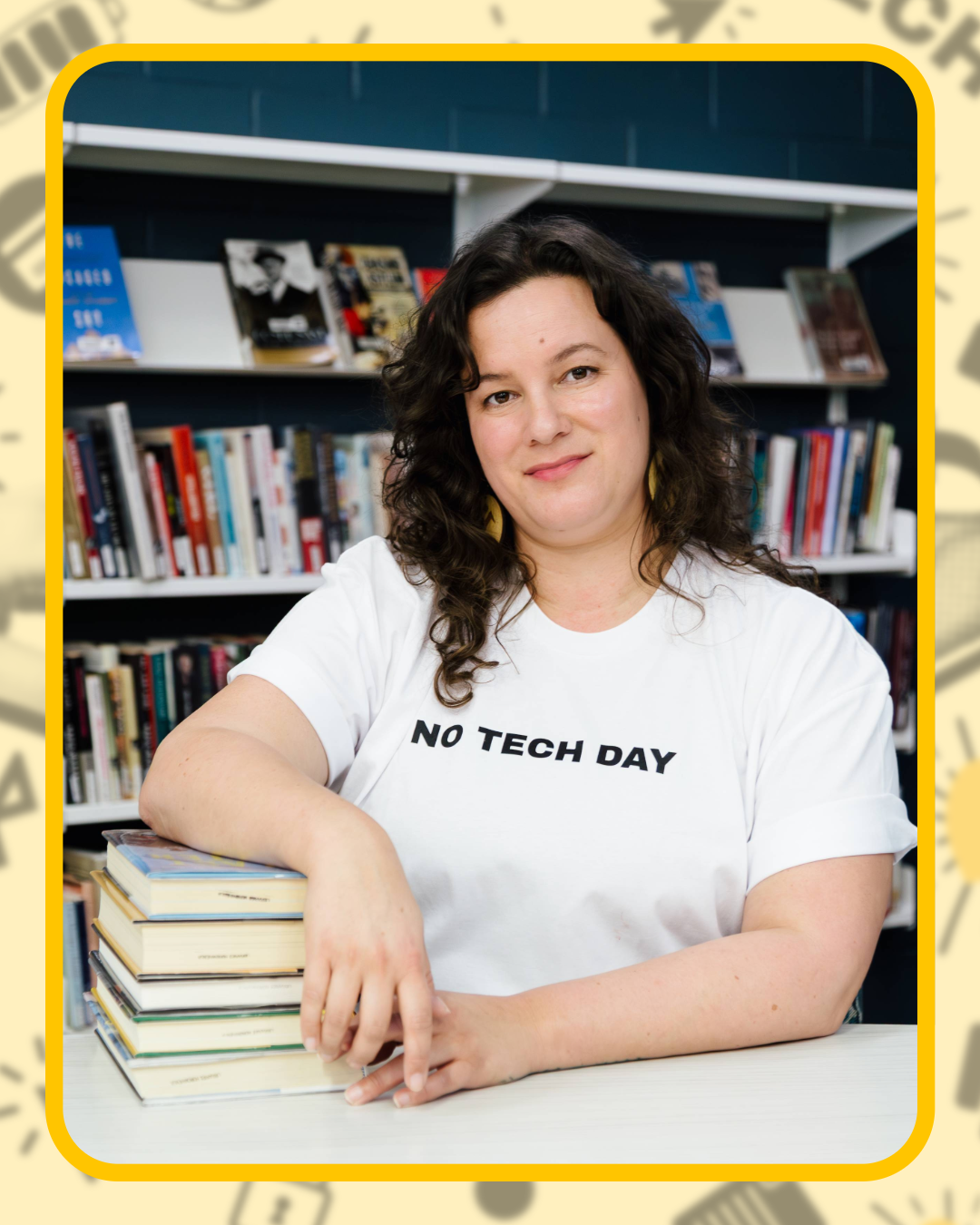
Role: Digital Inclusion Librarian
Mahi: Libraries Horowhenua
Role:
Digital Inclusion Librarian
Mahi:
Libraries Horowhenua
-
As a Librarian my role is very varied and will be different each day! At the heart of it though is a passion for serving my community, and a core belief that libraries are for everyone, and that they enhance and enrich the communities they serve in so many ways.
My role as the Digital Inclusion Librarian is about delivering library services that will enhance the digital literacy and resilience of my community, work that libraries have always done. Things like connecting our community with low-cost internet through Skinny JUMP and Equity Fibre, running our Digital-Drop-In and Book a Librarian sessions which enable people to have 1:1 help, running Code Club with Sam, our Children’s Librarian, creating and delivering our Digital Learning classes that we deliver year around, managing our digital eLibrary and training staff. I work closely with Henry, our Services to Older Adults Librarian, and together we go into our community and run digital outreach programmes, taking the library and all it offers out to our community. We work with Kaumātua groups, community groups and networks, care homes and partner organisations like DIAA, Neighbourhood Support, Age Concern, HALT and our local Community Constable, delivering vital digital literacy and scam awareness education direct to our hāpori.
For us, one of the key battlegrounds for digital equity is the library desk. This is the frontline where we engage with our community every day, having 100’s and 1000’s of seemingly small interactions that are the backbone of our digital inclusion mahi and can really shift the dial for a person towards digital empowerment.
On any given day, you could find me downstairs running a Drop-In session or helping someone who’s accidentally downloaded a suite of spammy apps, connecting a whānau with Skinny JUMP. A common one we are seeing currently is older adults with brand new phones, who need a bit of support to get them up and running, a service that was otherwise going to cost them $80 or so. We are finding that the library is one of the only places people can get free and impartial help with their tech, the other options in our area tend to cost, or a in the retail space. Quite often we will be guiding people through the steps they need to take after being scammed, ensuring they contact their bank, Netsafe etc, doing so with a non-judgemental and empathetic care. At times, we encounter people who are actively being scammed. We try our best to help them understand their situation, sometimes we are successful, other times not, but you can only hope that the information you have given, the Netsafe pamphlet you sent them home with… that it seeds the knowledge that’ll lead them out of the scam. I think education is a really important tool in fighting scams, and we really prioritise that mahi. Connecting people and whānau with our low-cost internet options is so rewarding because it’s such a practical way you can help someone, and it will have an immediate impact on their lives. You could find me doing an online passport application with someone, helping them navigate RealMe, or fulfil their online obligations to MSD. Later in the day I could be teaching our Smartphone Basics class, or out with Henry, teaching 22 Kaumātua about AI. Increasingly we are seeing people needing help with core and life-impacting services, like government, medical, housing, jobs… No day is the same, there is always mahi to be done, people to help.
People know they can come to the library to ask all manner of questions, and I often will be hunted down by people looking for the ‘tech lady’. However, I am certainly not the only tech expert in the library, I work with amazing and talented colleagues who all offer fantastic help from the library desk, and our stats show these interactions are increasing.
I don’t think I’m the most tech-savvy person, but what I am is patient, calm and people-focused. I think to do this mahi well you do need that empathy and kindness, and the ability to walk alongside people as they learn and empower themselves. As a Librarian, if I don’t know something, I will know where and how to find out.
-
This work matters because people are being left behind, simple as that. I don’t want that to be our reality; I want everyone to have what they need to thrive and benefit from this bold new world.
-
Digital Equity strengthens us all - sorry that is copying but it’s so good.
Also Love your Library!
-
At Smart Newtown we are all about digital equity. When I open the doors each morning I welcome visitors into our quiet computer nook. Many of our visitors don't have computer or internet access at home and use our machines to work, study, play, and keep in touch with the whānau. I sit at my desk and conduct the tech support helpdesk. Visitors who are having tech issues can come and sit with me for free advice and assistance. Common issues include navigating devices and websites, designing documents, artificial intelligence, and combating scams and viruses.
In partnership with the DIAA, every two months I run free computer classes; deep dives into specific topics where our visitors become students for a day and hands-on learning and constructive conversation are encouraged. Also with the DIAA, for households who lack the means to access a conventional broadband plan from a service provider, we distribute Skinny Jump modems. I hope to also become a distributor for Equity Fibre in partnership with DECA and Chorus in the near future!
To help me in my work I have my assistant coordinator, Andy, and our strong volunteer team, without whom the scope of our work would be greatly reduced.
-
Over the last decade in New Zealand, we have seen many essential services abandon snail mail and in-person over-the-counter interactions in favour of digital and online-only infrastructure. Managing a bank account, applying for VISAs and citizenship, enrolling to study, managing Student Loans, applying for jobs, accessing and printing tickets, renewing licenses and passports, accessing benefits and pensions, disputing and paying fines, enrolling to vote; these and others are the essential parts of Kiwi society that are drifting out of reach from 1-in-5 kiwi adults. The inexorable trend towards digital systems is understandable, but society is for everyone so help systems need to be in place for Kiwis who are being left behind.
-
Consider for a moment how difficult life would be without computers and realise that that life is real for over 20% of Kiwi adults. If tech comes naturally to you, please do your part to help if you can.
Kevin Bicknell
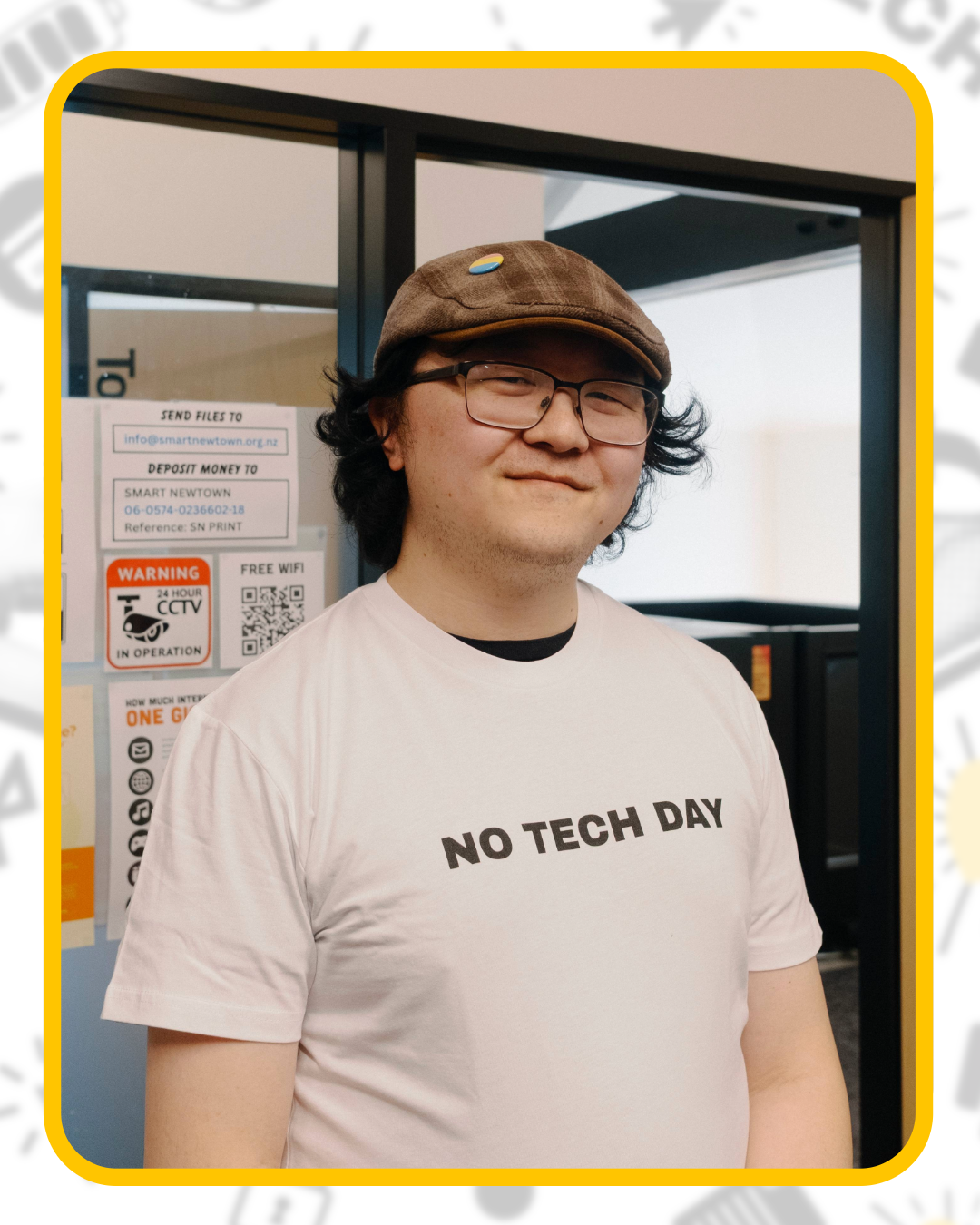
Role: Coordinator
Mahi: Smart Newtown
Role: Coordinator
Mahi: Smart Newtown
-
At Smart Newtown we are all about digital equity. When I open the doors each morning I welcome visitors into our quiet computer nook. Many of our visitors don't have computer or internet access at home and use our machines to work, study, play, and keep in touch with the whānau. I sit at my desk and conduct the tech support helpdesk. Visitors who are having tech issues can come and sit with me for free advice and assistance. Common issues include navigating devices and websites, designing documents, artificial intelligence, and combating scams and viruses.
In partnership with the DIAA, every two months I run free computer classes; deep dives into specific topics where our visitors become students for a day and hands-on learning and constructive conversation are encouraged. Also with the DIAA, for households who lack the means to access a conventional broadband plan from a service provider, we distribute Skinny Jump modems. I hope to also become a distributor for Equity Fibre in partnership with DECA and Chorus in the near future!
To help me in my work I have my assistant coordinator, Andy, and our strong volunteer team, without whom the scope of our work would be greatly reduced.
-
Over the last decade in New Zealand, we have seen many essential services abandon snail mail and in-person over-the-counter interactions in favour of digital and online-only infrastructure. Managing a bank account, applying for VISAs and citizenship, enrolling to study, managing Student Loans, applying for jobs, accessing and printing tickets, renewing licenses and passports, accessing benefits and pensions, disputing and paying fines, enrolling to vote; these and others are the essential parts of Kiwi society that are drifting out of reach from 1-in-5 kiwi adults. The inexorable trend towards digital systems is understandable, but society is for everyone so help systems need to be in place for Kiwis who are being left behind.
-
Consider for a moment how difficult life would be without computers and realise that that life is real for over 20% of Kiwi adults. If tech comes naturally to you, please do your part to help if you can.
-
RAD runs workshops where we teach rangatahi the fundamentals of how computers work, how they break, and how to fix them. The students then go on to fix donated laptops that are given to people who would otherwise not have access to an appropriate device for learning.
My day typically starts on the way to the workshop, where I will go over the plan with my fellow trainers, before arriving at the space and getting the classroom set for learning. The first hour of the day is all about the theory, focusing on what different components are and how they work, as well as developing working relationships with the learners.
After morning tea we have a competition. In groups of two, the rangatahi have to take out as many components from the computer as they can within 20 minutes and still have the computer turn on at the end. This helps build their confidence working inside computers as for most it is their first time seeing inside of one. Afterwards comes my favourite teaching moment, a handicapped race to put the computers back together. If you've won the first competition you have a lot more to put back together than other groups.
Finally comes the point in the day where the students start actually fixing computers. If we are training a club then we will go through the processes for fixing multiple devices, and if it is a workshop where our learners take home the device they fix at the end of the day we focus on getting the laptops fully finished and in working order.
-
I love my job, for so many reasons. I love getting hands on and problem solving, I love teaching and sharing my skills with others, but above that I love being able to make a difference. I started with RAD when I was in college, and I will always remember the feeling when I saw a classmate using a laptop that I had fixed, I felt pride, and joy that my hour at lunch fixing the computer had not gone to waste. I also wished I didn't need to spend my lunch fixing computers because we lived in a world where everyone can access the equipment they need to learn, and entertain, apply for jobs, and connect with friends.
After a workshop, a young mother came up to me crying after she finished working on the laptop she would take home. She was looking for work, but did not have a computer to be able to write cover letters and find jobs, so she had to use the laptop her daughter's school provided for classwork and homework to job hunt. With the new laptop she could finally look for work while her child was at school.
I can not express how hard it is to see this story play out every day, it is my dream that RAD won't have to exist, because no one has been left behind as how we learn, teach, work, and live becomes more and more digital.
-
Restricting who can succeed based solely on if you can afford a laptop does nothing but make the world a less productive, less colourful and interesting place.
RILEY PUGH
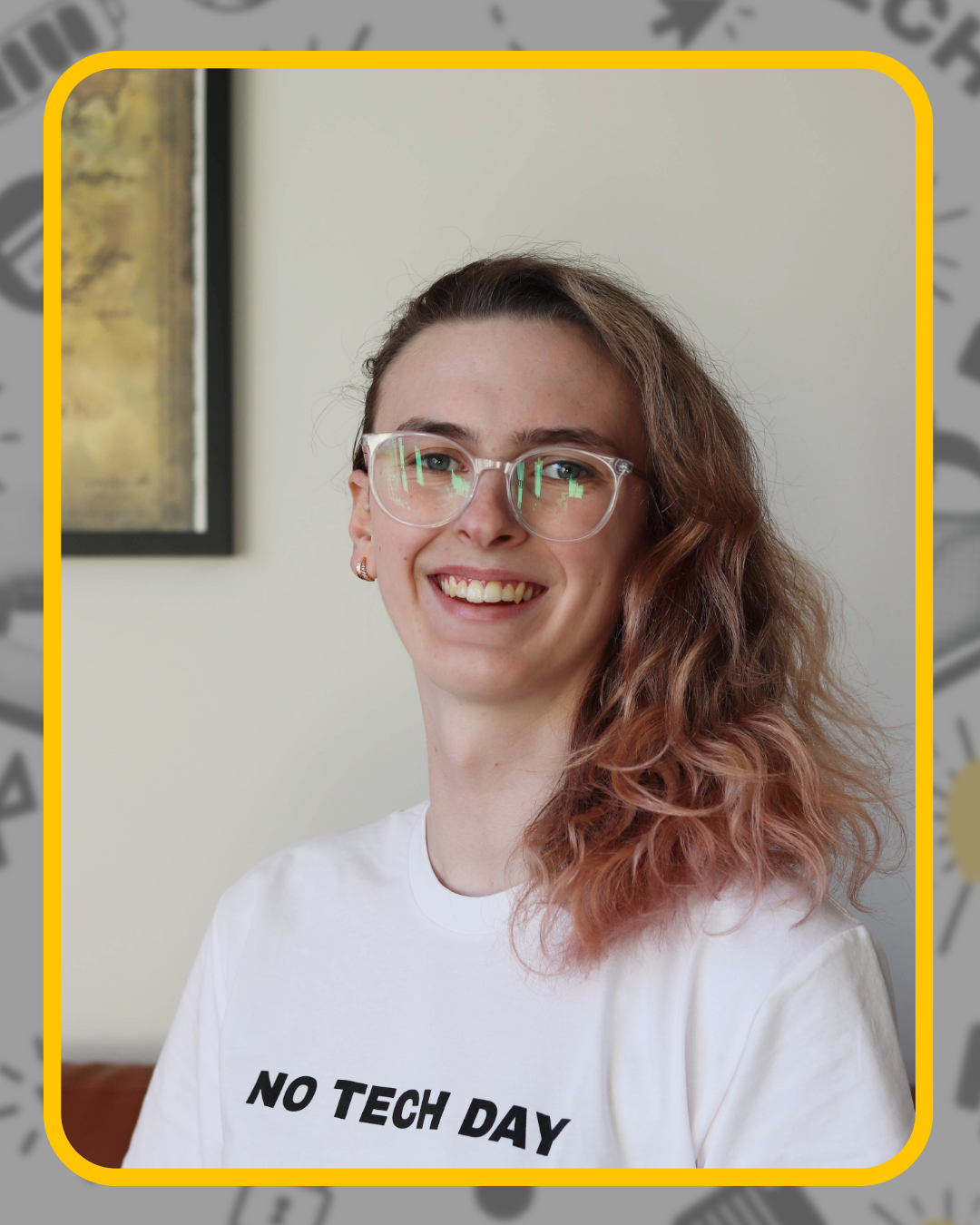
Role: LEAD TRAINER
Mahi: RECYCLE A DEVICE (RAD)
Role: LEAD TRAINER
Mahi: RECYCLE A DEVICE (RAD)
-
RAD runs workshops where we teach rangatahi the fundamentals of how computers work, how they break, and how to fix them. The students then go on to fix donated laptops that are given to people who would otherwise not have access to an appropriate device for learning.
My day typically starts on the way to the workshop, where I will go over the plan with my fellow trainers, before arriving at the space and getting the classroom set for learning. The first hour of the day is all about the theory, focusing on what different components are and how they work, as well as developing working relationships with the learners.
After morning tea we have a competition. In groups of two, the rangatahi have to take out as many components from the computer as they can within 20 minutes and still have the computer turn on at the end. This helps build their confidence working inside computers as for most it is their first time seeing inside of one. Afterwards comes my favourite teaching moment, a handicapped race to put the computers back together. If you've won the first competition you have a lot more to put back together than other groups.
Finally comes the point in the day where the students start actually fixing computers. If we are training a club then we will go through the processes for fixing multiple devices, and if it is a workshop where our learners take home the device they fix at the end of the day we focus on getting the laptops fully finished and in working order.
-
I love my job, for so many reasons. I love getting hands on and problem solving, I love teaching and sharing my skills with others, but above that I love being able to make a difference. I started with RAD when I was in college, and I will always remember the feeling when I saw a classmate using a laptop that I had fixed, I felt pride, and joy that my hour at lunch fixing the computer had not gone to waste. I also wished I didn't need to spend my lunch fixing computers because we lived in a world where everyone can access the equipment they need to learn, and entertain, apply for jobs, and connect with friends.
After a workshop, a young mother came up to me crying after she finished working on the laptop she would take home. She was looking for work, but did not have a computer to be able to write cover letters and find jobs, so she had to use the laptop her daughter's school provided for classwork and homework to job hunt. With the new laptop she could finally look for work while her child was at school.
I can not express how hard it is to see this story play out every day, it is my dream that RAD won't have to exist, because no one has been left behind as how we learn, teach, work, and live becomes more and more digital.
-
Restricting who can succeed based solely on if you can afford a laptop does nothing but make the world a less productive, less colourful and interesting place.
-
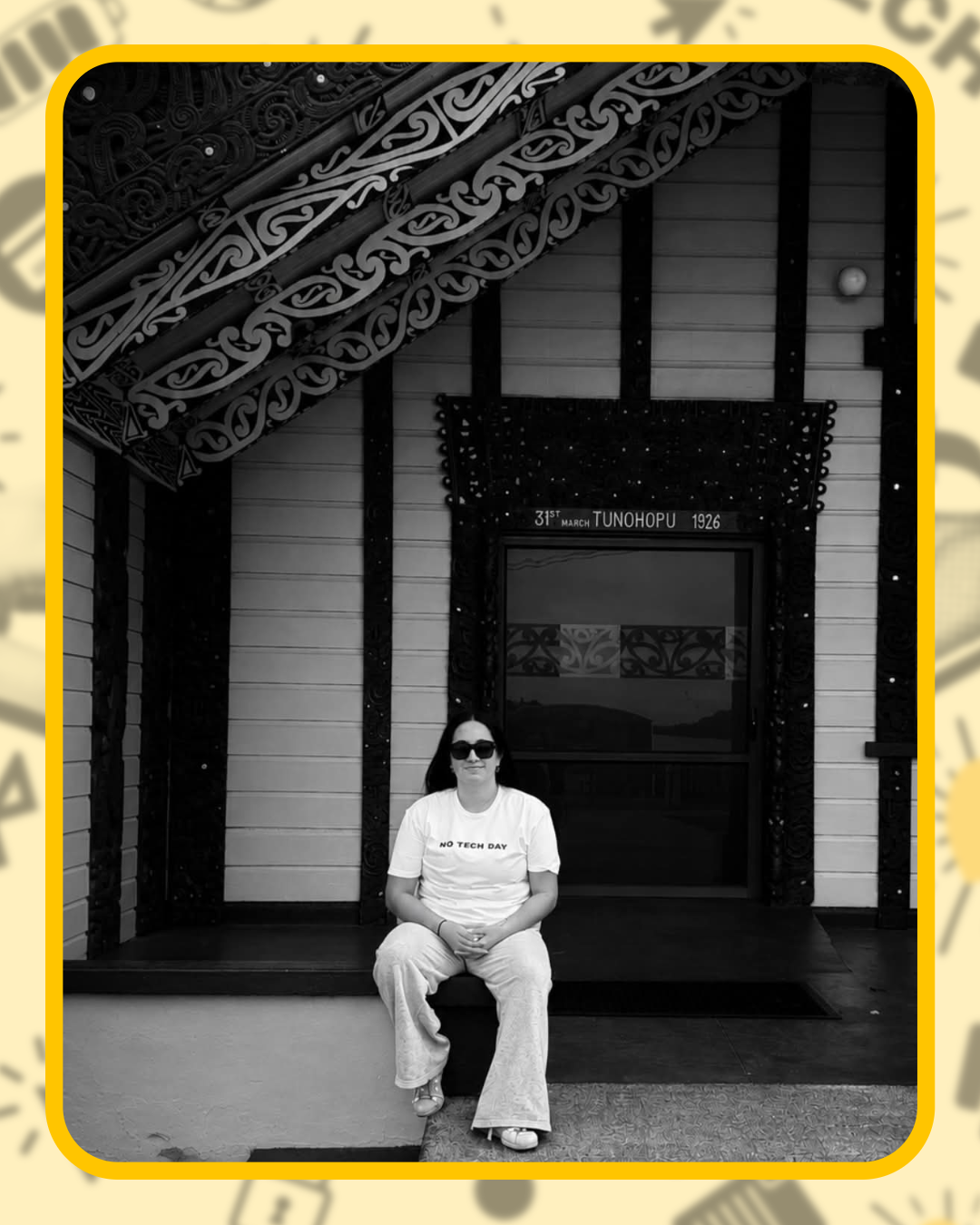
Ko Keziah Kapea ahau, he uri nō Te Arawa, Ngāti Kahungunu me Te Aupōuri. He kaiako ahau ki Whangamarino, he kura-ā-iwi, kei Rotorua. Ko au te kaiārahi o Piki Kouras, e kawe ana i te kaupapa ki Whangamarino, Te Kura Kaupapa Māori o Te Rotoiti me Rotomā School.
My name is Keziah Kapea. I am from Te Arawa Ngāti Kahungunu and Te Aupōuri. I am a teacher at Whangamarino school (a kura-ā-iwi kura) in Rotorua, Okere Falls. I am the lead facilitator of our Piki Kouras kaupapa at Whangamarino, Te Kura Kaupapa Māori o Te Rotoiti and Lake Rotoma School.
-
A normal Piki Kouras day is definitely not your typical day in the classroom. We might start with a simple kōrero about a pūrākau, what our main focus is for the term and then turn that into a technology challenge. The tamariki might be creating their story board, coding a robot, building something or using drones. There is a lot of trial and error, problem solving, sharing ideas and helping each other along the way. What I love most is seeing the moment when our tamariki are having fun. How they depict their stories through a robot, whether they’re singing or telling the story, is where the fruits of their mahi shines. For me, Piki Kouras is about providing an opportunity for our tamariki, kaiako, to show their creative, innovative side through technology. It is about giving them access, confidence and the opportunity to see themselves as creators and innovators, while still keeping their identity, reo and mātauranga Māori at the centre.
-
This mahi matters to me because I want to create opportunities for our tamariki to explore technology, try new things and discover what they are capable of, while also supporting our kaiako to confidently deliver technology learning in their own classrooms.
-
Ehara taku toa i te toa takitahi, engari he toa takitini (My strength is not mine alone, but the strength of many). Piki Kouras are all of our kaupapa. It's something being built collectively for our tamariki, kaiako, kura and communities.
Kesiah Kapea
Role: Teacher & Lead Facilitator
Mahi: Whangamarino & Piki Kouras
Role: Teacher & Lead Facilitator
Mahi: Whangamarino & PIKI KOURAS
-
Ko Keziah Kapea ahau, he uri nō Te Arawa, Ngāti Kahungunu me Te Aupōuri. He kaiako ahau ki Whangamarino, he kura-ā-iwi, kei Rotorua. Ko au te kaiārahi o Piki Kouras, e kawe ana i te kaupapa ki Whangamarino, Te Kura Kaupapa Māori o Te Rotoiti me Rotomā School.
My name is Keziah Kapea. I am from Te Arawa Ngāti Kahungunu and Te Aupōuri. I am a teacher at Whangamarino school (a kura-ā-iwi kura) in Rotorua, Okere Falls. I am the lead facilitator of our Piki Kouras kaupapa at Whangamarino, Te Kura Kaupapa Māori o Te Rotoiti and Lake Rotoma School.
-
A normal Piki Kouras day is definitely not your typical day in the classroom. We might start with a simple kōrero about a pūrākau, what our main focus is for the term and then turn that into a technology challenge. The tamariki might be creating their story board, coding a robot, building something or using drones. There is a lot of trial and error, problem solving, sharing ideas and helping each other along the way. What I love most is seeing the moment when our tamariki are having fun. How they depict their stories through a robot, whether they’re singing or telling the story, is where the fruits of their mahi shines. For me, Piki Kouras is about providing an opportunity for our tamariki, kaiako, to show their creative, innovative side through technology. It is about giving them access, confidence and the opportunity to see themselves as creators and innovators, while still keeping their identity, reo and mātauranga Māori at the centre.
-
This mahi matters to me because I want to create opportunities for our tamariki to explore technology, try new things and discover what they are capable of, while also supporting our kaiako to confidently deliver technology learning in their own classrooms.
-
Ehara taku toa i te toa takitahi, engari he toa takitini (My strength is not mine alone, but the strength of many). Piki Kouras are all of our kaupapa. It's something being built collectively for our tamariki, kaiako, kura and communities.
-
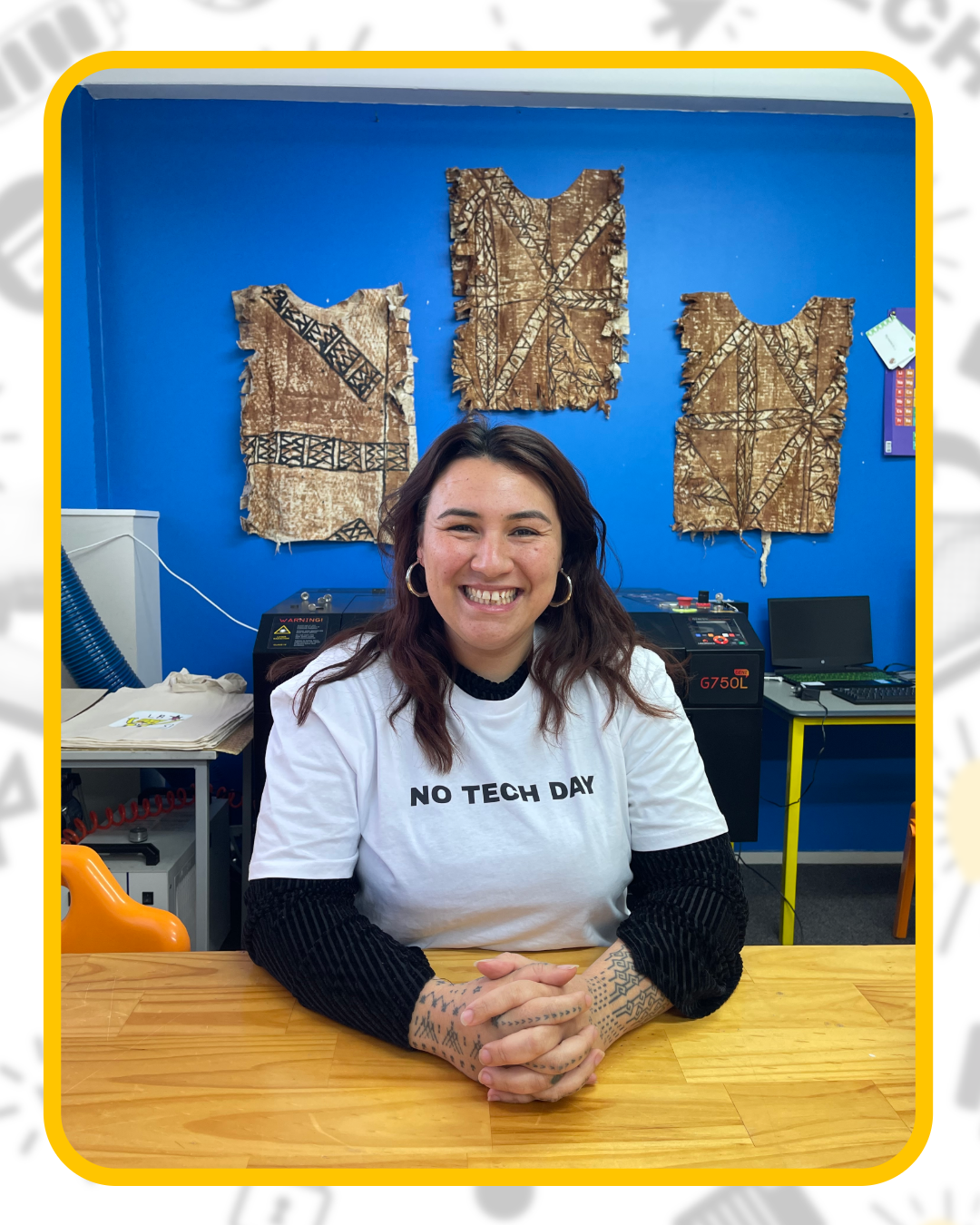
We’re a Pacific-led organisation working across education, STEAM, arts and digital inclusion, creating opportunities for Pacific young people and communities to access technology, build skills and see themselves as creators and leaders in these spaces. There probably isn’t a normal day! It could be helping someone access a device or get connected, supporting a young person to use technology for the first time, running a STEAM programme in a school, or helping students move from simply consuming technology to actually creating with it. A lot of our work is also about removing the fear around technology — making it hands-on, culturally relevant and something people feel belongs to them.
-
For me, digital equity is about much more than having access to a laptop or the internet. It is about who gets to participate in the future and who gets to shape it. Pacific people have always been scientists, navigators, engineers, designers and problem-solvers. I want our young people to understand that technology and innovation aren’t foreign to who we are, they are another space where our knowledge, creativity and ways of thinking have enormous value.
-
Digital equity isn't just about getting people online, it's about making sure everyone has the opportunity to shape what comes next.
Nina Oberg Humphries
Role: Co-Founder and Taula-Director
Mahi: Tagata Moana Trust
Role: Co-Founder and Taula-Director
Mahi: Tagata Moana Trust
-
We’re a Pacific-led organisation working across education, STEAM, arts and digital inclusion, creating opportunities for Pacific young people and communities to access technology, build skills and see themselves as creators and leaders in these spaces. There probably isn’t a normal day! It could be helping someone access a device or get connected, supporting a young person to use technology for the first time, running a STEAM programme in a school, or helping students move from simply consuming technology to actually creating with it. A lot of our work is also about removing the fear around technology — making it hands-on, culturally relevant and something people feel belongs to them.
-
For me, digital equity is about much more than having access to a laptop or the internet. It is about who gets to participate in the future and who gets to shape it. Pacific people have always been scientists, navigators, engineers, designers and problem-solvers. I want our young people to understand that technology and innovation aren’t foreign to who we are, they are another space where our knowledge, creativity and ways of thinking have enormous value.
-
Digital equity isn't just about getting people online, it's about making sure everyone has the opportunity to shape what comes next.